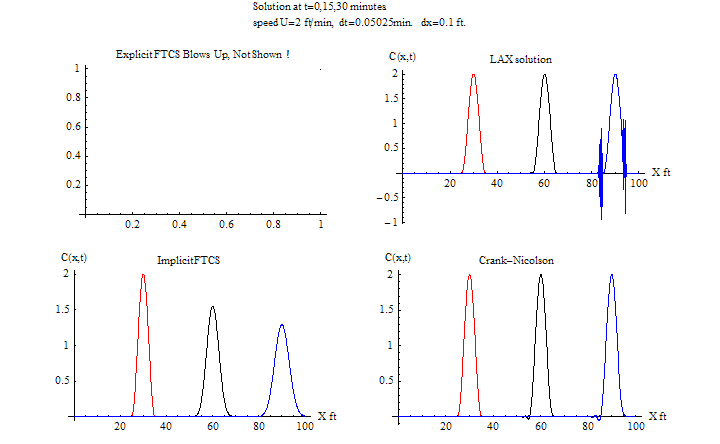
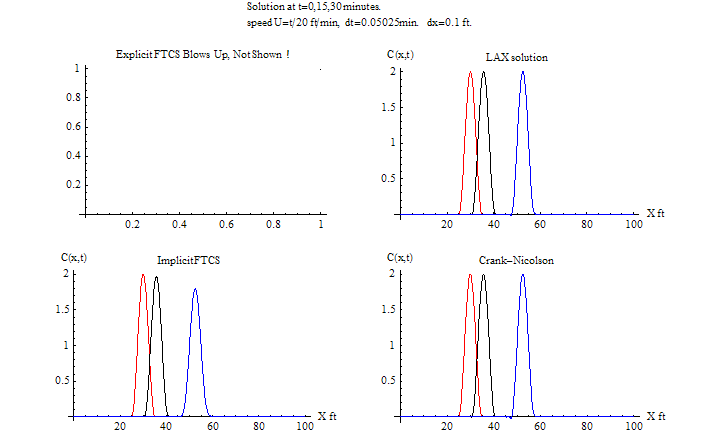
In this case, the time step is increased so that \(\frac {u\tau }{h}\) is just above the CFL condition.
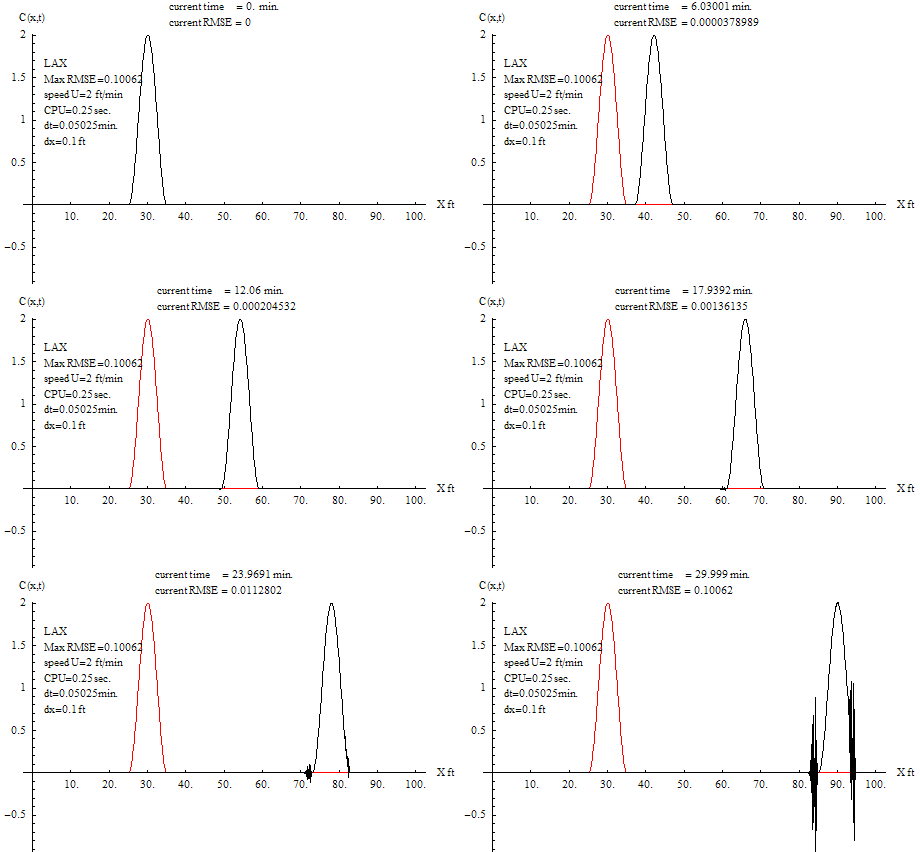
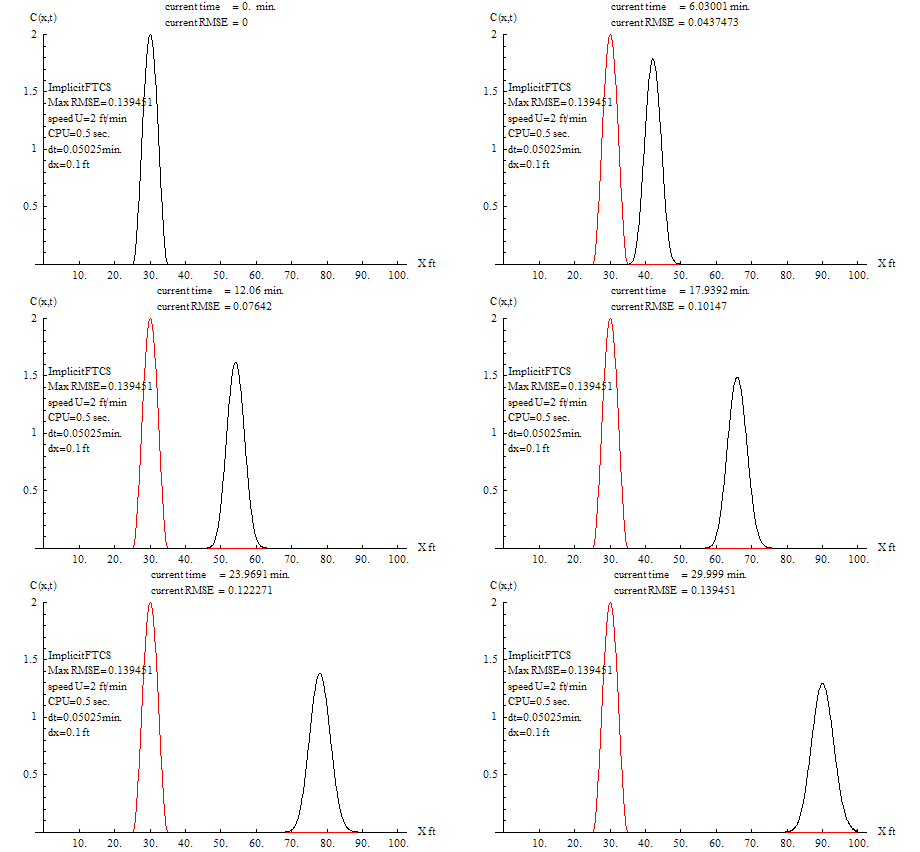
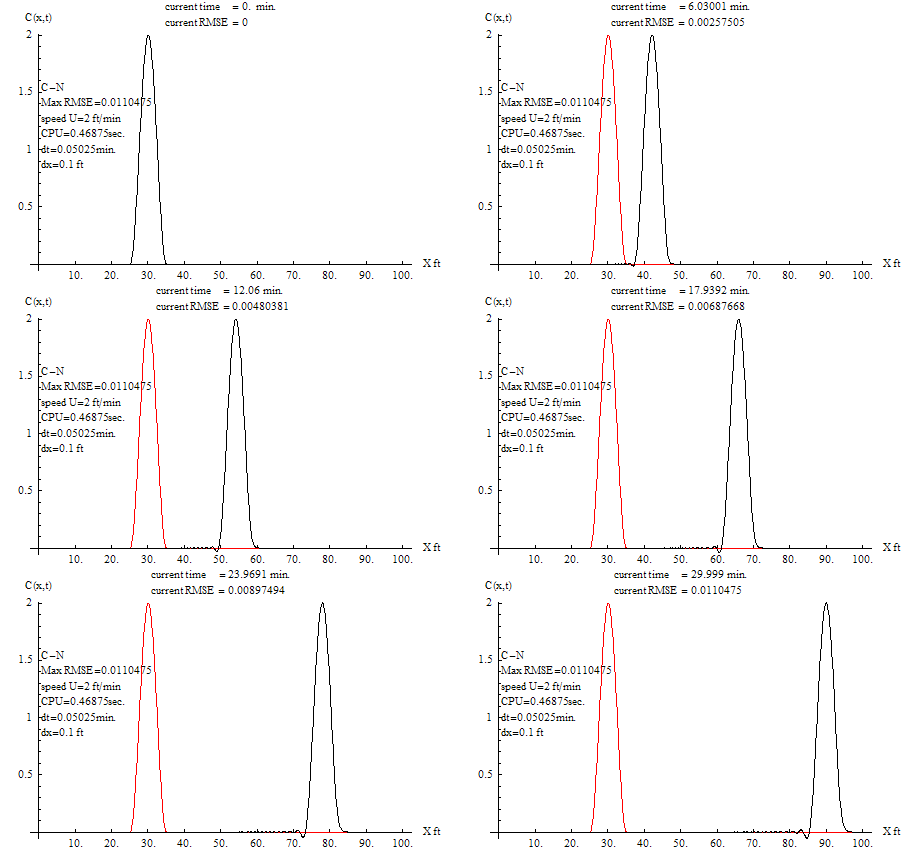
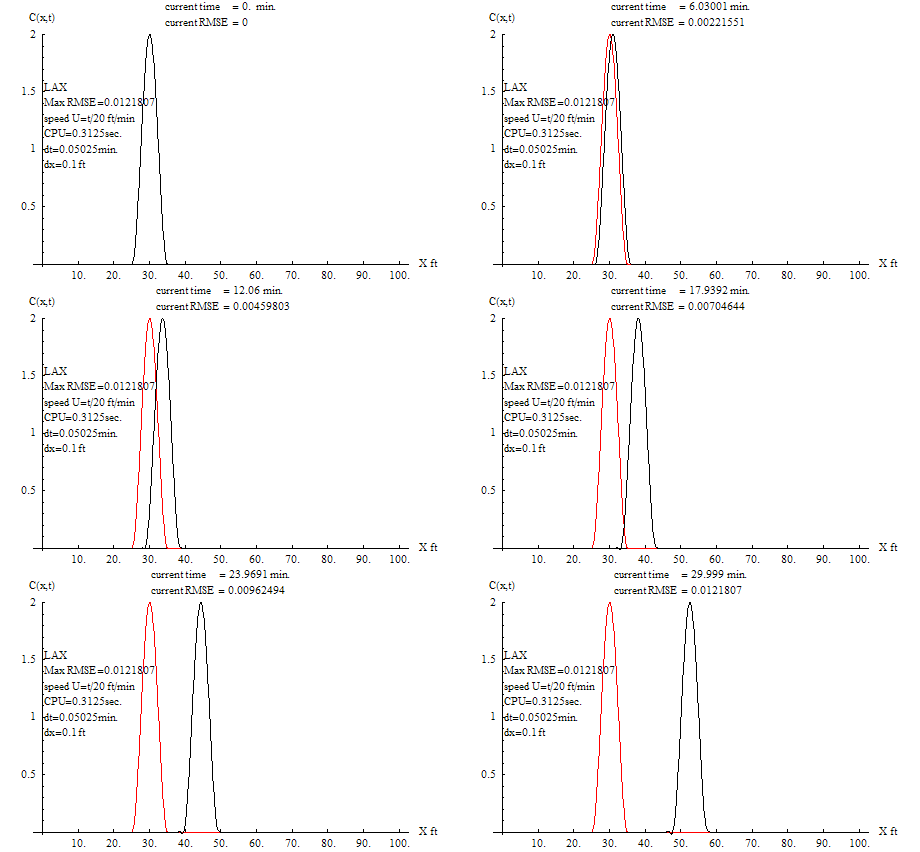
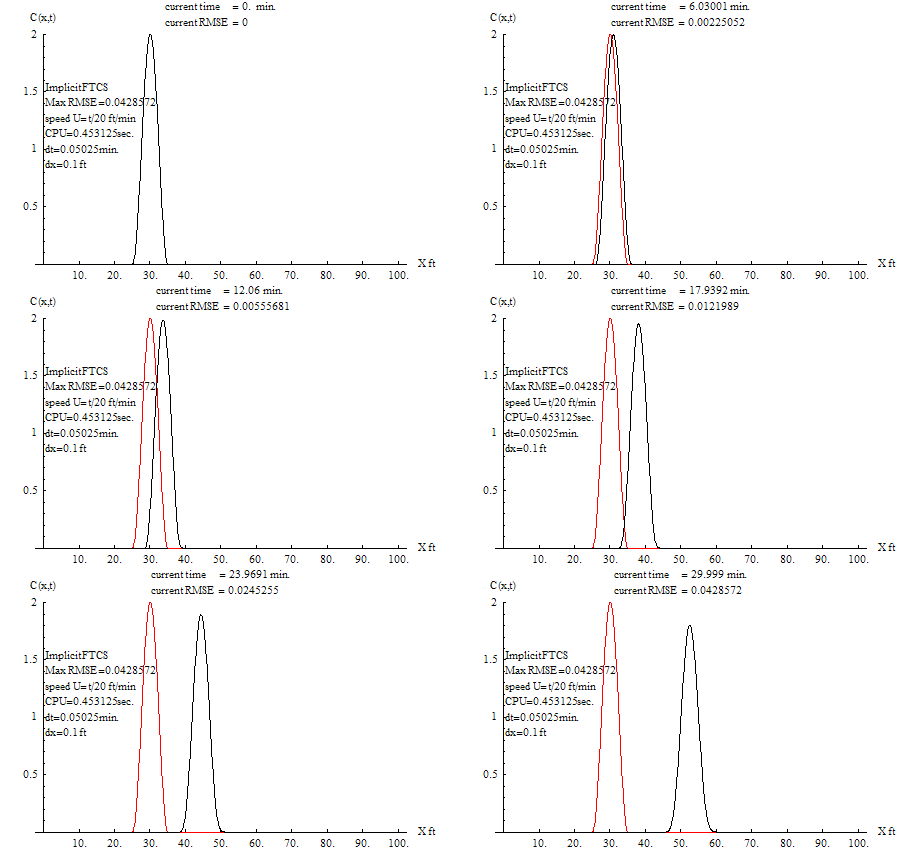
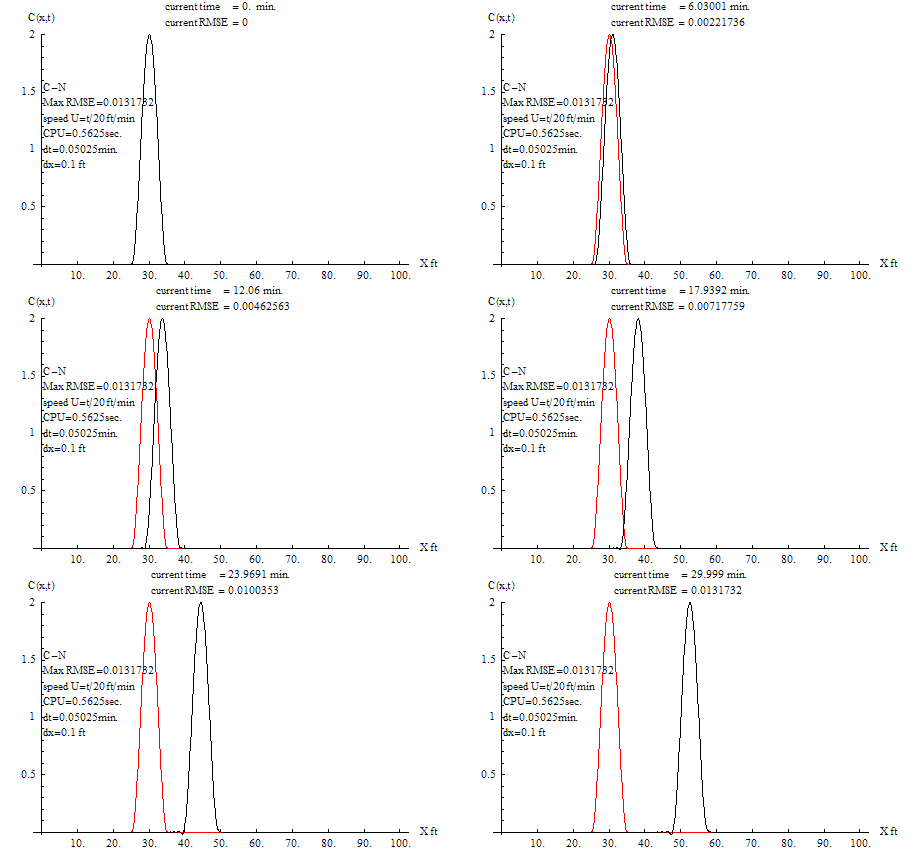
Notice now that the Explicit LAX method become unstable as expected. The other implicit methods remain stable. the explicit FTCS method now is completely unstable. The implicit FTCS method is starting to become less accurate.
\(\tau =0.05025\) sec, \(h=0.1\ \)ft\(,\) \(\frac {u\tau }{h}=\frac {2\times 0.05025}{0.1}=1.005>1\)
| Speed | Method | CPU time (sec) | RMSE | Animation (2D) | plots |
| U=2 | Explicit FTCS | 0.7 | blows up | N/A blows up | HTML |
| Explicit LAX | 0.25 | 0.1006 | HTML | ||
| Implicit FTCS | 0.5 | 0.13945 | HTML | ||
| C-R | 0.468 | 0.01104 | HTML | ||
| U=t/20 | Explicit FTCS | 0.28 | blows up | N/A blows up | HTML |
| Explicit LAX | 0.31 | 0.04385 | HTML | ||
| Implicit FTCS | 0.45 | 0.0428 | HTML | ||
| C-R | 0.56 | 0.01317 | HTML | ||
Notice that explicit LAX takes much less CPU than any other method.