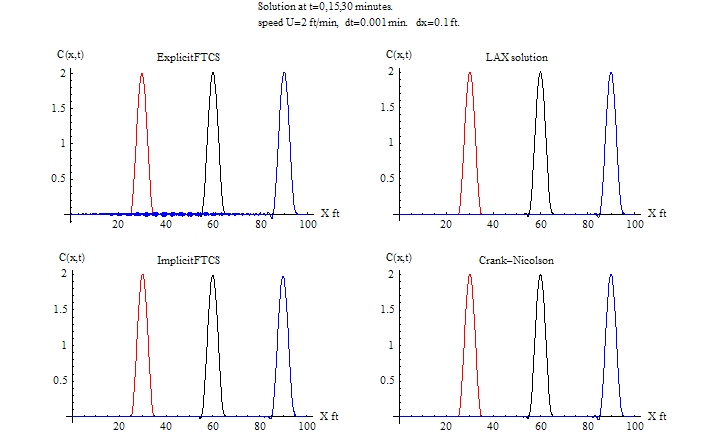
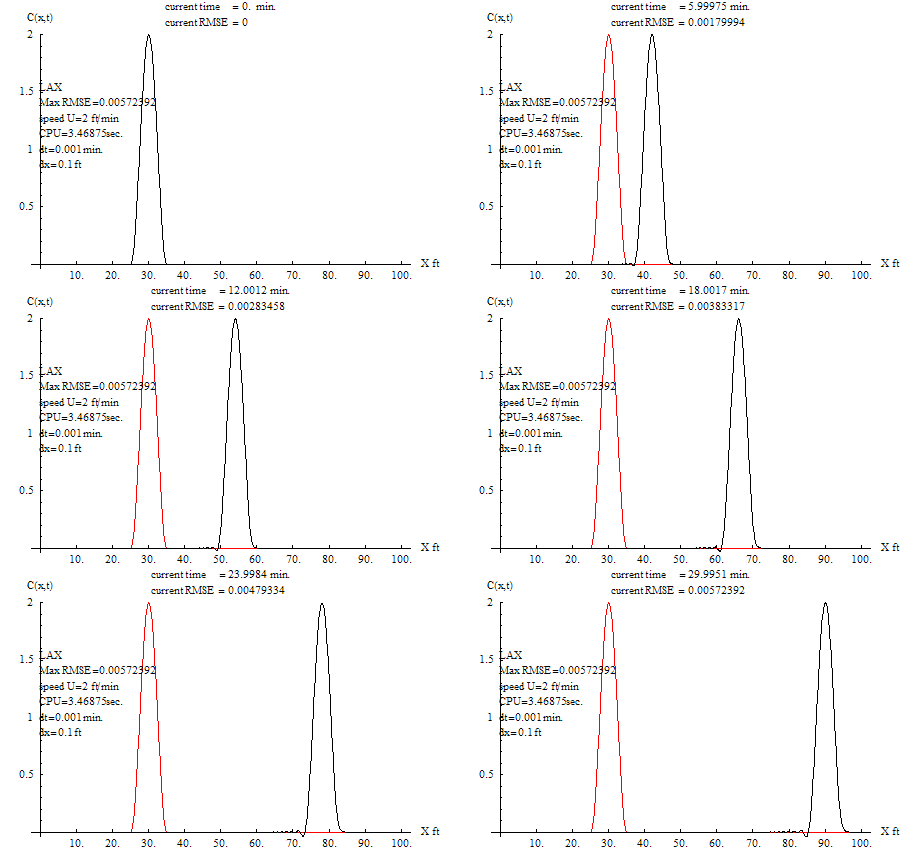
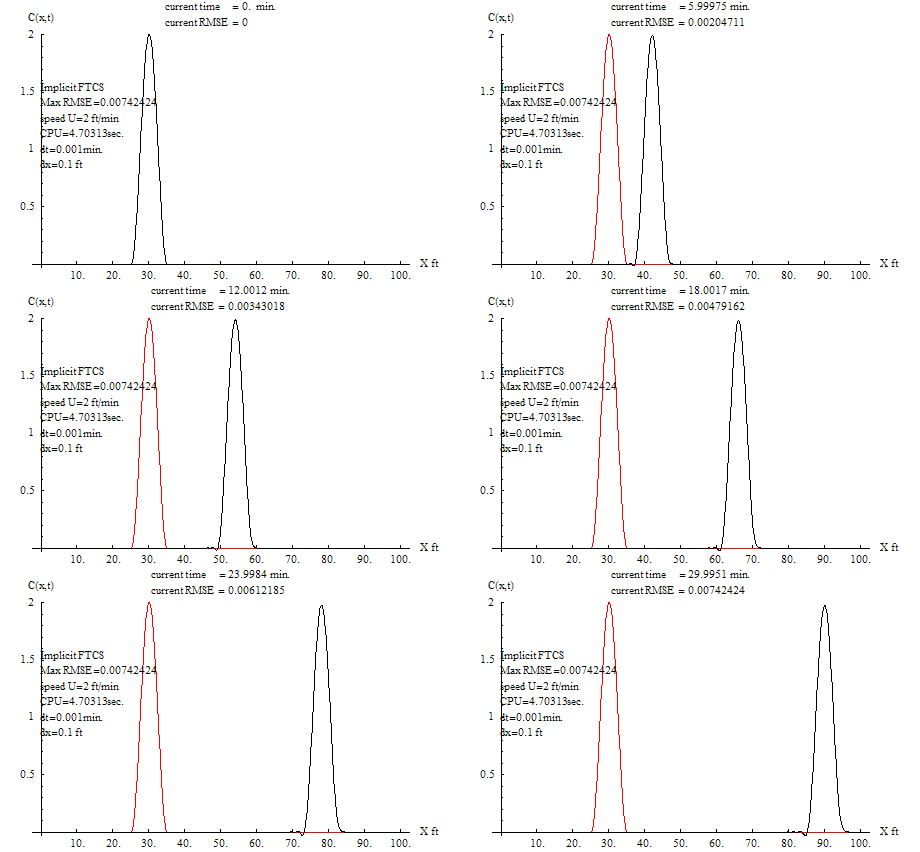
\(\tau =0.001\) sec, \(h=0.1\ ft\)
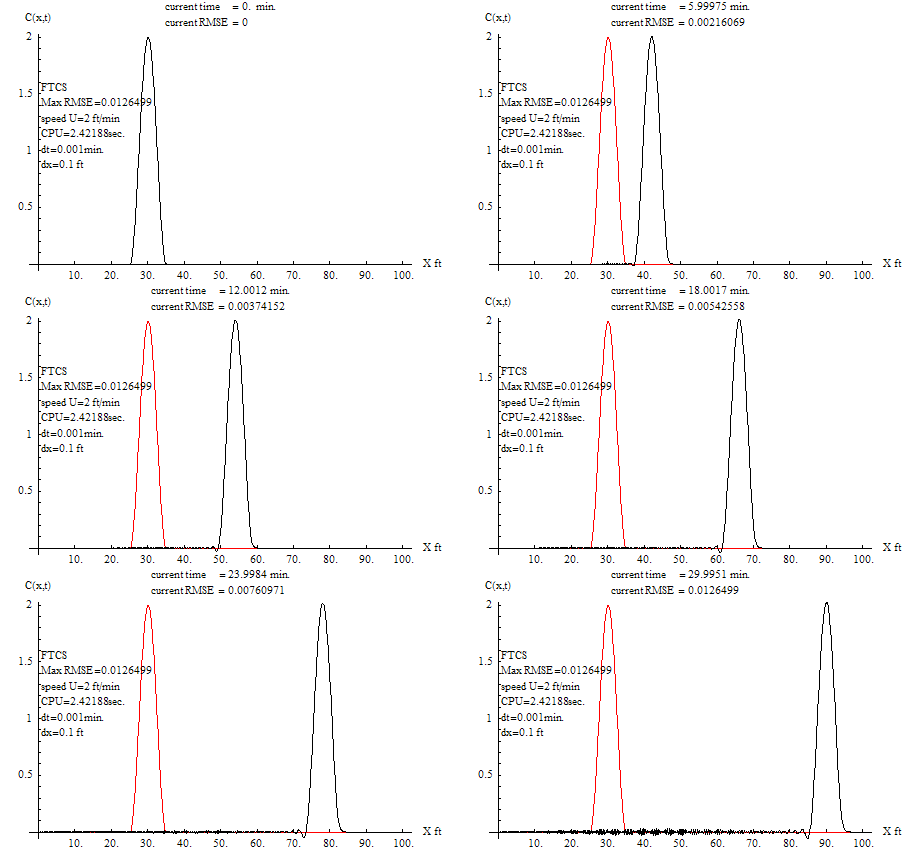
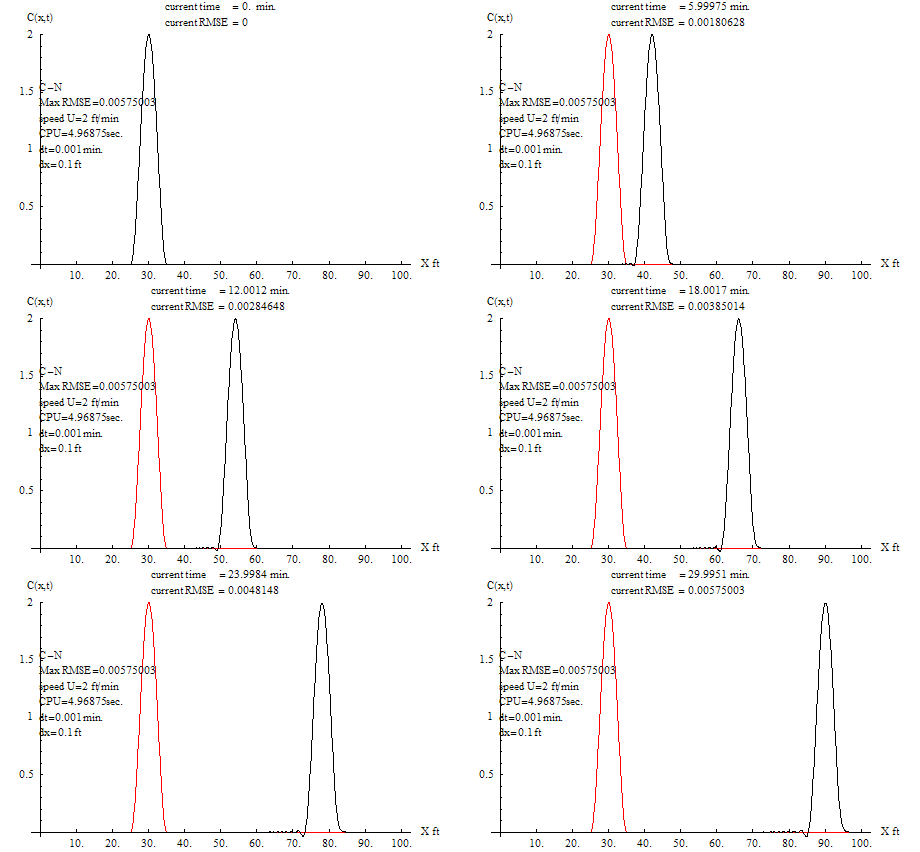
The explicit FTCS is stable for most of the run, near the end it is starting to be become unstable.
Notice that around 26 minutes that "bubbles" are starting to show up in the numerical solution downstream. This is a characteristic of how this method becomes unstable.
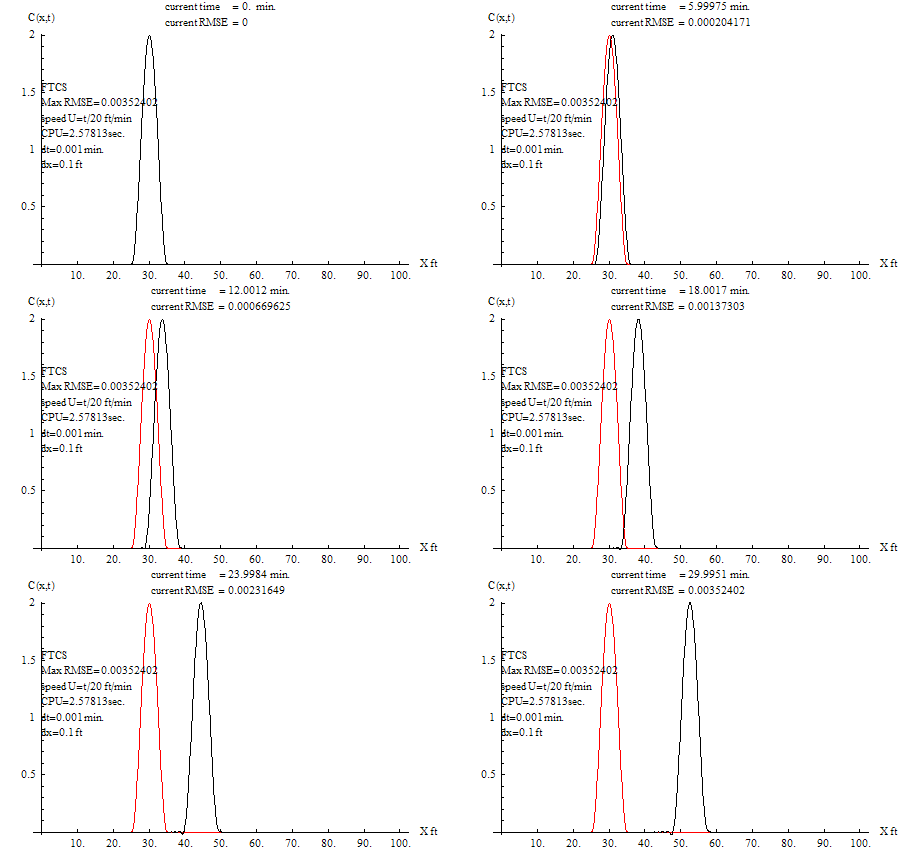
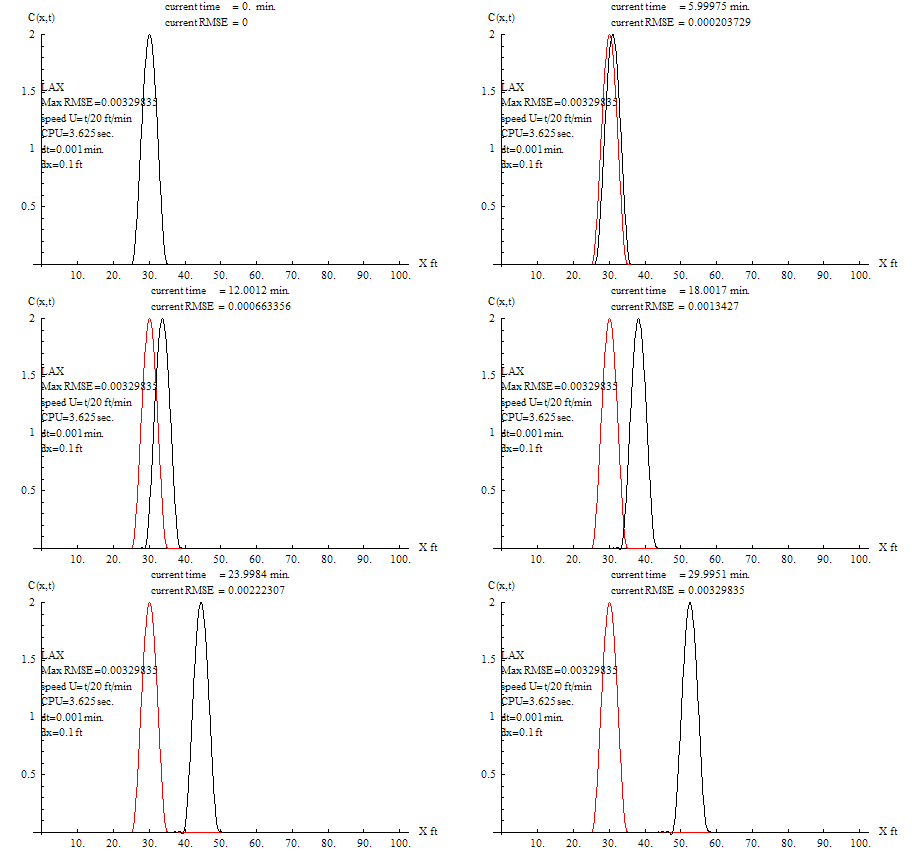
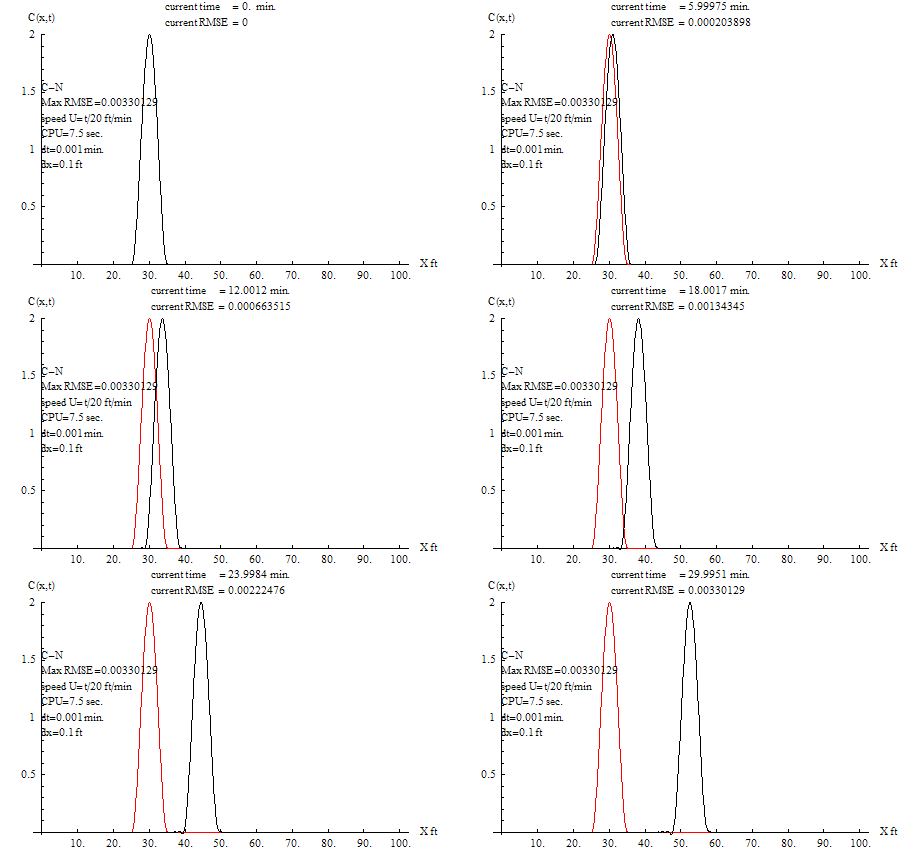
This will be more clear in the next test cases when the time step is made larger. For the varying speed case, the explicit method using the same time step remained stable during the whole 30 minutes. This is because the average speed was less than 2 ft/min, hence the mass did not have to travel as long a distance as with fixed speed of \(u=2\), and so the instability did not show up. Mathematically this can be explained by looking at the term \(\frac {u\tau }{h}\), hence for smaller \(u\), the courant number is smaller. Notice also the RMSE is smaller for variable speed compared to fixed speed. Again this is related to the smaller average speed making the courant number smaller.